Thailand Officially Enters Rainy Season With Below-average Rainfall Forecast
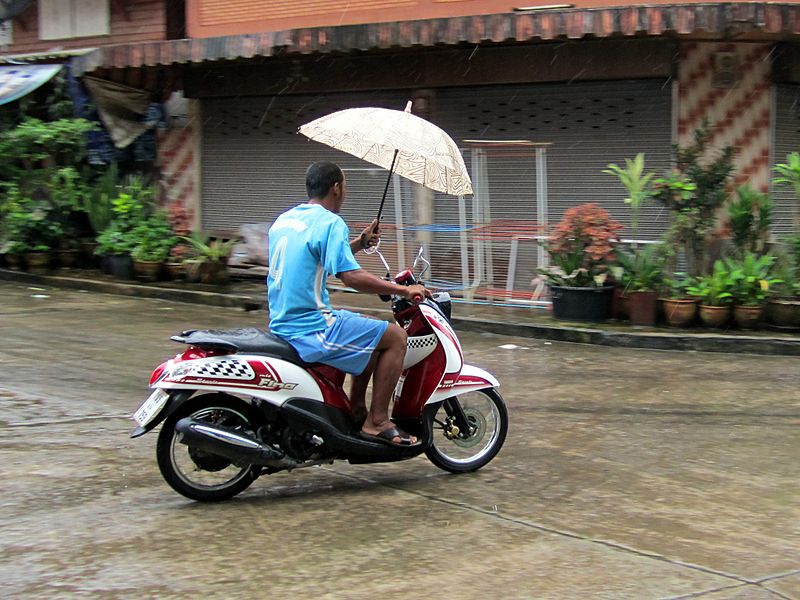
BANGKOK, Thailand — Thailand officially entered its rainy season on Friday, May 15, though meteorological authorities have forecast below-average rainfall for much of the country, according to an announcement from the Meteorological Department on Thursday.
Meteorological Department Issues Heavy Rain Warning For Thailand
Director-General Sukanyanee Yawinchan stated that the season’s formal commencement was determined by three key meteorological conditions: sustained rainfall covering at least 60% of upper Thailand, a shift in lower-level winds to a southwesterly direction, and upper-altitude winds turning easterly. With these criteria now met, the department has confirmed the seasonal transition.
“This year’s wet season across upper Thailand is expected to continue until approximately mid-October, while the eastern parts of the southern region will see rainfall extending into December,” Director-General Sukanyanee explained. “However, overall precipitation is projected to be about 10% lower than the historical seasonal average.”
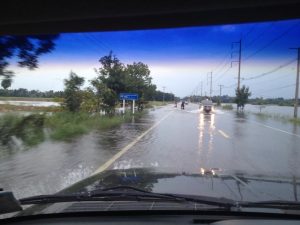
The department’s forecast indicates that rainfall frequency will steadily increase through mid-June, particularly in the eastern region and the western parts of southern Thailand. From late June into July, however, both the frequency and intensity of rain are expected to diminish, potentially creating a temporary dry spell before precipitation resumes in August and September. Authorities have warned that the latter period warrants close monitoring for torrential rain, flash floods, forest runoff, and river overflow events.
A significant factor influencing this year’s weather patterns is the El Niño climate phenomenon, which the Meteorological Department is tracking closely. “El Niño is currently in a neutral condition,” Director-General Sukanyanee noted. “However, there is a possibility of a stronger El Niño developing in the second half of the year.”
Scientists have increasingly warned of a growing risk of a “Super El Niño” event later this year, which could bring particularly severe dry conditions to Southeast Asia. Such patterns historically correlate with reduced monsoon rainfall, elevated temperatures, and heightened agricultural stress across the region.
In addition to broader seasonal trends, the department anticipates that one or two tropical storms may approach Thailand during August and September, with the North and Northeast regions most likely to experience their effects. These systems could bring periods of intense rainfall even within an overall drier-than-average season.
To enhance preparedness for severe weather events, the Meteorological Department has established a dedicated monitoring center focused on heavy rain and strong winds in the Andaman Sea. The facility will provide real-time data and early warnings to support maritime safety, coastal community protection, and emergency response coordination.
“For residents, farmers, and businesses, understanding these seasonal patterns is essential for planning,” said a spokesperson for the department. “We encourage everyone to stay informed through official weather channels and to prepare for both wet and dry periods as conditions evolve.”
Thailand officially enters the rainy season today (May 15), according to the Thai Meteorological Department, with weather conditions shifting into a transitional phase.
See more: https://t.co/fW8KJuNgLB#Thailand #RainySeason #Weather #TMD #Rainfall #Climate pic.twitter.com/guaAdn1gaD
— NBT WORLD (@NBTWORLDNews) May 15, 2026
Thailand’s economy remains closely tied to agricultural cycles, with rice, rubber, and fruit production dependent on predictable monsoon patterns. Below-average rainfall could pose challenges for crop yields, water reservoir management, and rural livelihoods, prompting government agencies to review drought mitigation strategies and irrigation planning.
“The Ministry of Agriculture is coordinating with provincial authorities to ensure water resources are managed efficiently throughout the season,” said a representative from the ministry. “Farmers are advised to consult local extension offices for guidance on crop selection and water conservation techniques.”
Urban areas, including Bangkok, also face considerations related to seasonal rainfall. While reduced precipitation may lessen flood risks in some locations, intense downpours during tropical storm events can still overwhelm drainage systems and cause localized flooding. City planners have emphasized ongoing investments in infrastructure to improve resilience against variable weather conditions.
For travelers visiting Thailand during the rainy season, authorities recommend building flexibility into itineraries, monitoring weather updates, and preparing for occasional disruptions to outdoor activities or transportation. The season also brings lush landscapes and fewer crowds to many destinations, offering unique experiences for those who plan accordingly.
“Thailand remains a welcoming destination year-round,” said a spokesperson for the Tourism Authority of Thailand. “The rainy season has its own beauty, and with proper preparation, visitors can enjoy all that our country has to offer.”
As the season unfolds, the Meteorological Department has committed to providing regular updates through its official website, mobile applications, and social media channels. Residents and visitors are encouraged to enable emergency alerts on their devices and to follow guidance from local authorities during severe weather events.
Dome Collapses at MEA Training Center in Samut Prakan, Four Injured
Further updates regarding rainfall patterns, tropical storm developments, and El Niño monitoring are expected as the department continues to assess evolving atmospheric conditions throughout the year.
-Thailand News (TN)